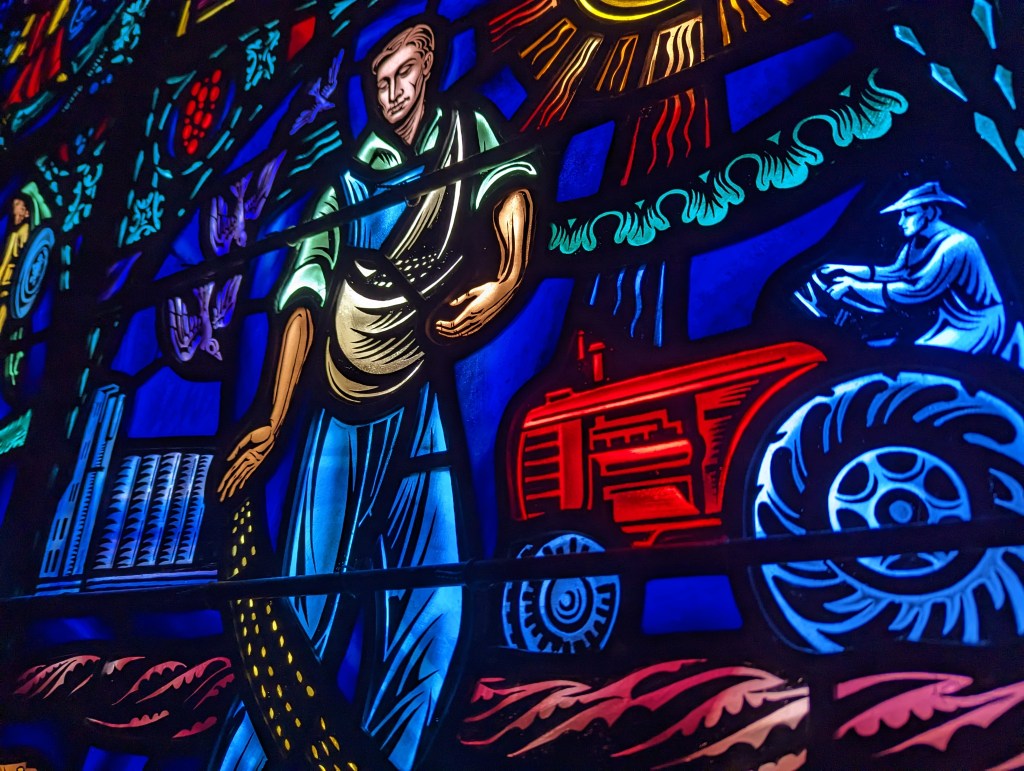
One of the most toxic spots rural pastors can find themselves in is The Dead End. It’s that red mud rut where the wheels are spinning and there’s a cold rain seeping through your coat and the sun is going down. You’re stuck in the Dead End.
Dead ends come up a lot when I talk to rural pastors. We can so easily feel stuck, that our labors are in vain, that our efforts to move ourselves and our congregations forward are flailing. Feeling stuck can be a warning sign of rising acedia or depression or a poor framework for ministry. The quickest way out of feeling stuck is the one that so many pastors take: jump ship and find a new place to work. Sometimes, that’s the right option. But other times rural pastors can make a few changes to how they approach their work and shift ministry dynamics from stuck to progressing.
I know the feeling. In one ministry setting, I felt like I had drifted into the doldrums, somewhere gray where new ideas came to die. Things weren’t working. It was a Dead End, and I was eyeing greener pastures. Then one caffeinated morning, I pounded out a few pages of vision. That vision wended its way through mentors and leadership, and while not all of my ideas made it to the congregation, enough of them did to spark hope in my aching pastor’s heart. I discovered allies for starting a junior high youth group, which we launched that spring with a massive crop of squirrelly teens. It felt more than a little crazy, both because there were so many of them bouncing around, but also because I had little youth group leading experience and so just led it as my usual awkward nerdy self. I taught the Bible, and strangely enough, they kept coming back. It gave me the sense of progress I needed to continue ministering in hope and energy.
In The Happiness Files, Harvard professor and happiness scholar Arthur C. Brooks writes that research has shown that “humans get satisfaction not from arriving at a destination, but rather from making tangible progress toward it.” Rather than aiming for an intangible like “success” or a set finish line like an attendance or budget benchmark, Brooks recommends picking metrics that allow us to make progress toward a desirable end. I think that’s why the youth group gave me joy (and heartburn): I could see it developing week on week and could imagine further ways that we would help the kids move forward and grow.
Here are three thoughts on picking goals on which we can make progress will help rural pastors minister happier.
- Pick something concrete. It can’t just be “a healthier church.” It needs to be something like “build a youth group” that you can drum up energy around, start, and develop. You need to pick something that you can point to and say “By God’s grace, I built that.”
- Don’t aim for an end goal. Rather than a number, choose a goal that accounts for motion. Words like “develop,” “reimagine,” and “grow” will come in handy.
- The goal can’t be “more people.” Church growth is above our pay grade, not something we can aim at directly in the rural church. While church growth might seem a natural goal to make progress on—add a few more people week on week, year on year—we’re more likely to be frustrated by the wide swings of weekly attendance. If a cornerstone family is traveling or hunting or in harvest, the numbers will plunge. Attendance is just too variable to tell us much. What’s more, that variation can be maddening. All too easily, we’ll find our mood rising and falling with the number penciled in the stats book. Add to that variability the reality that the population in our rural community (or county) may have plateaued or may even be declining. Certainly, there are always souls to be reached, but numbers won’t capture our gospel impact in a rural area. We may not like it, but rural congregations are going to feel much more like a parish than a mission field. They’ll consist of a relatively stable cast of individuals, and newcomers will connect through relationships in the community. Growth in our congregations will occur organically and unpredictably.
As usual, the apostle Paul knew all this long ago. He told the Philippian church that the most important goal is knowing Christ. He hasn’t fully achieved it, but says Paul: “I press on to make it my own, because Christ Jesus has made me his own” (Philippians 3:12).
So pick a few goals on which you can make progress. And then breathe, go for a walk, and remember that Christ has made you his own.

 The Doxology Project
Leave a comment